
Kitchen & Bathroom Remodeling Costs in NH & VT
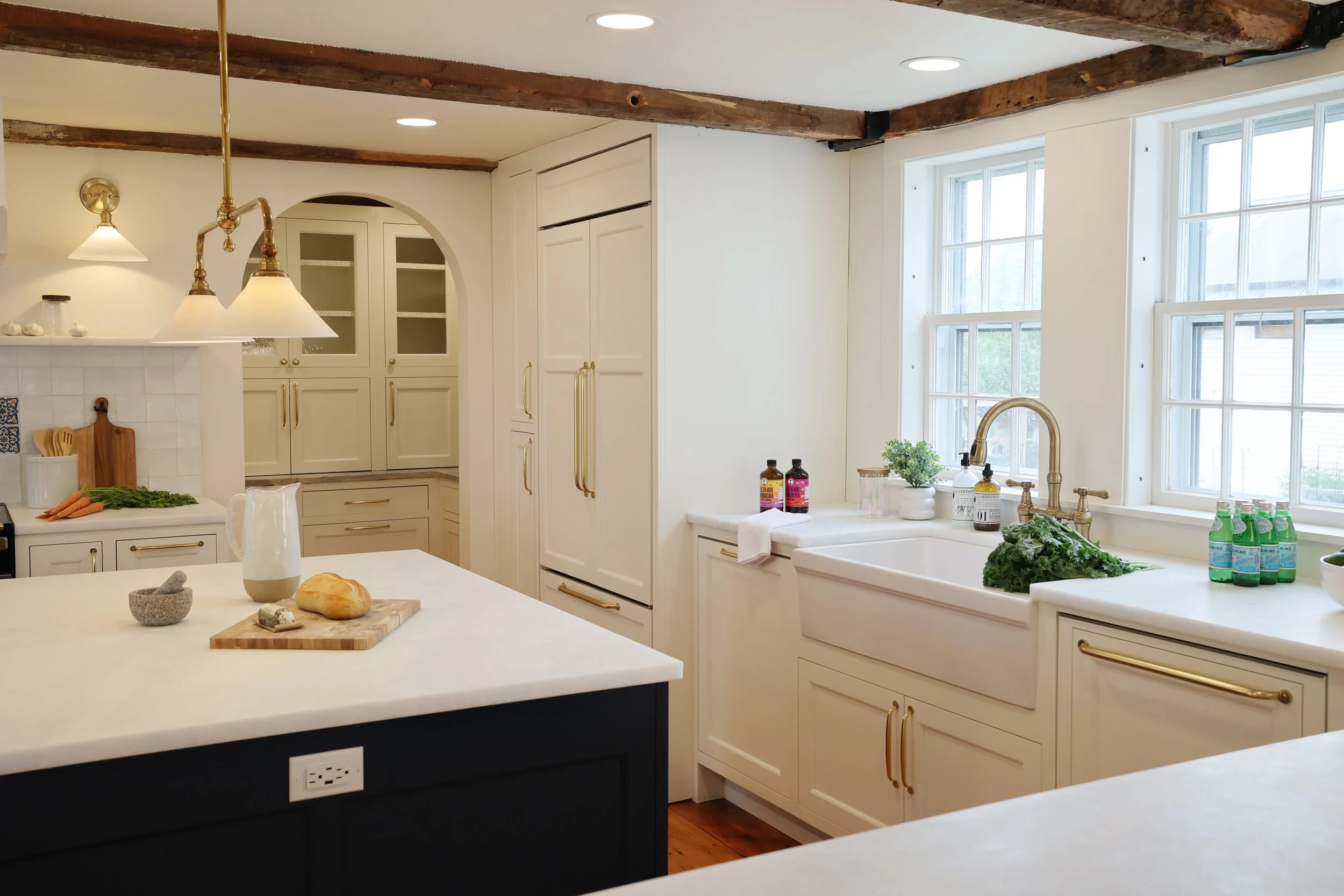
Why “Price Per Square Foot” Isn’t Actually the Thing You Should Be Focusing On
When people start thinking about renovating, they immediately want one number they can hold onto.
Cost per square foot feels logical. It feels organized. It feels like something you can plug into a spreadsheet and make sense of.
And then you get a kitchen or bathroom estimate and it’s… a lot higher than you expected.
That’s usually the moment where people think,
“Wait. Why is this more per square foot than building a whole house?”
Fair question.
The short answer is that kitchens and bathrooms are not comparable to bedrooms and living rooms. The longer answer is that square footage is kind of a useless metric once you understand what’s actually happening inside these spaces.
Not All Square Footage Is Doing the Same Job
If you redo a bedroom, you’re just dealing with what’s on top — switching out paint or flooring, a light fixture, and maybe updating the closet. Very simple fixes. And usually something that can be done for a pretty reasonable price.
A kitchen or bathroom is not that.
These rooms are packed with plumbing, electrical, venting, cabinetry, appliances, tile, waterproofing — and all of it has to work together. It’s not just what you see. It’s everything happening behind the walls that makes it work (or not work).
And most homes in New Hampshire and Vermont aren’t new builds. They’re older. They’ve been added onto. They’ve been “updated” before — sometimes in ways that didn’t actually solve anything (or made it worse).
We’re often correcting awkward layouts, old venting systems, undersized framing, strange window placement, or plumbing that technically works… but never really made sense.
You’re not just swapping finishes. You’re reworking an existing structure and trying to make it function the way it probably should have in the first place.
That’s why the cost feels different.
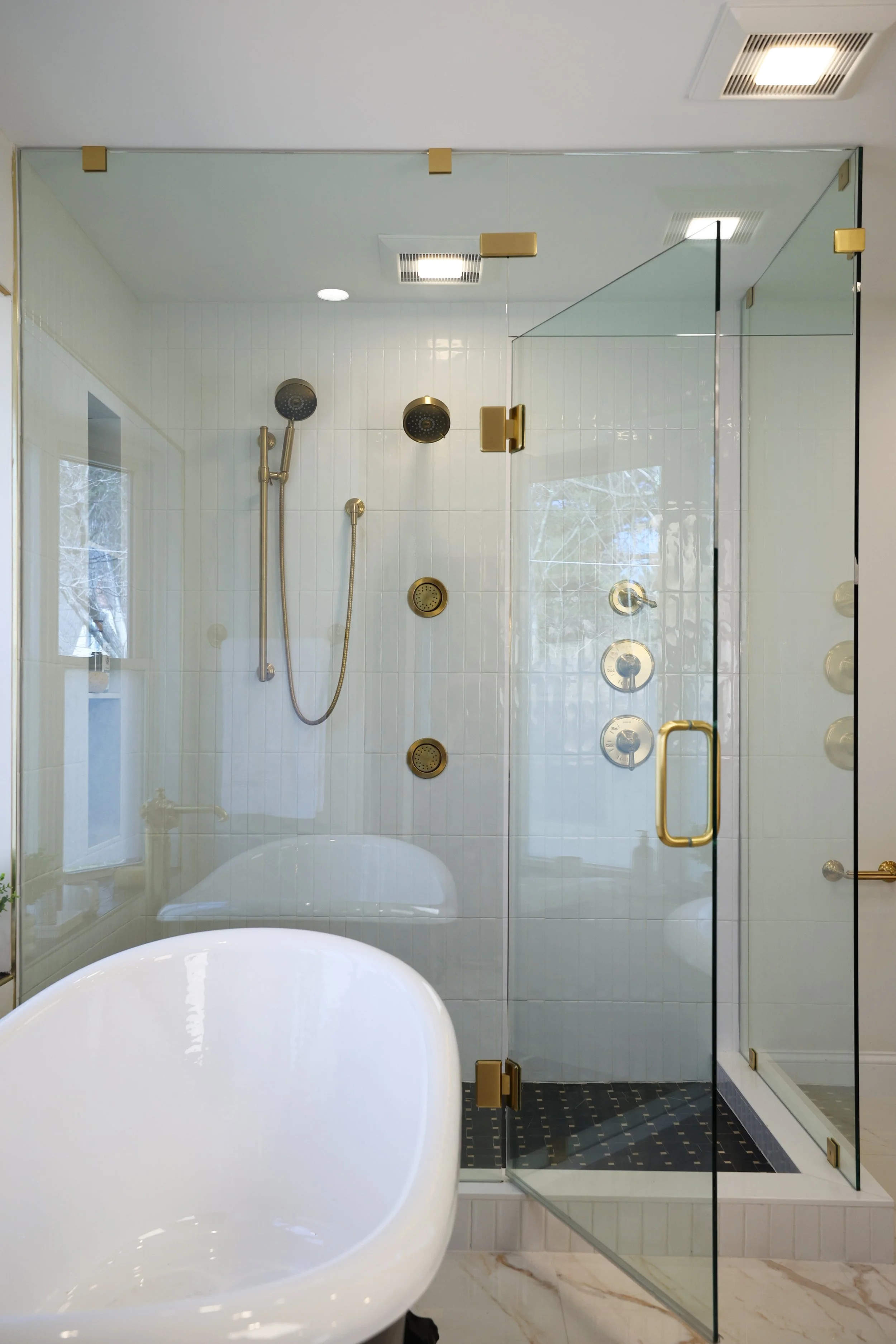
What Kitchens Really Cost Around Here
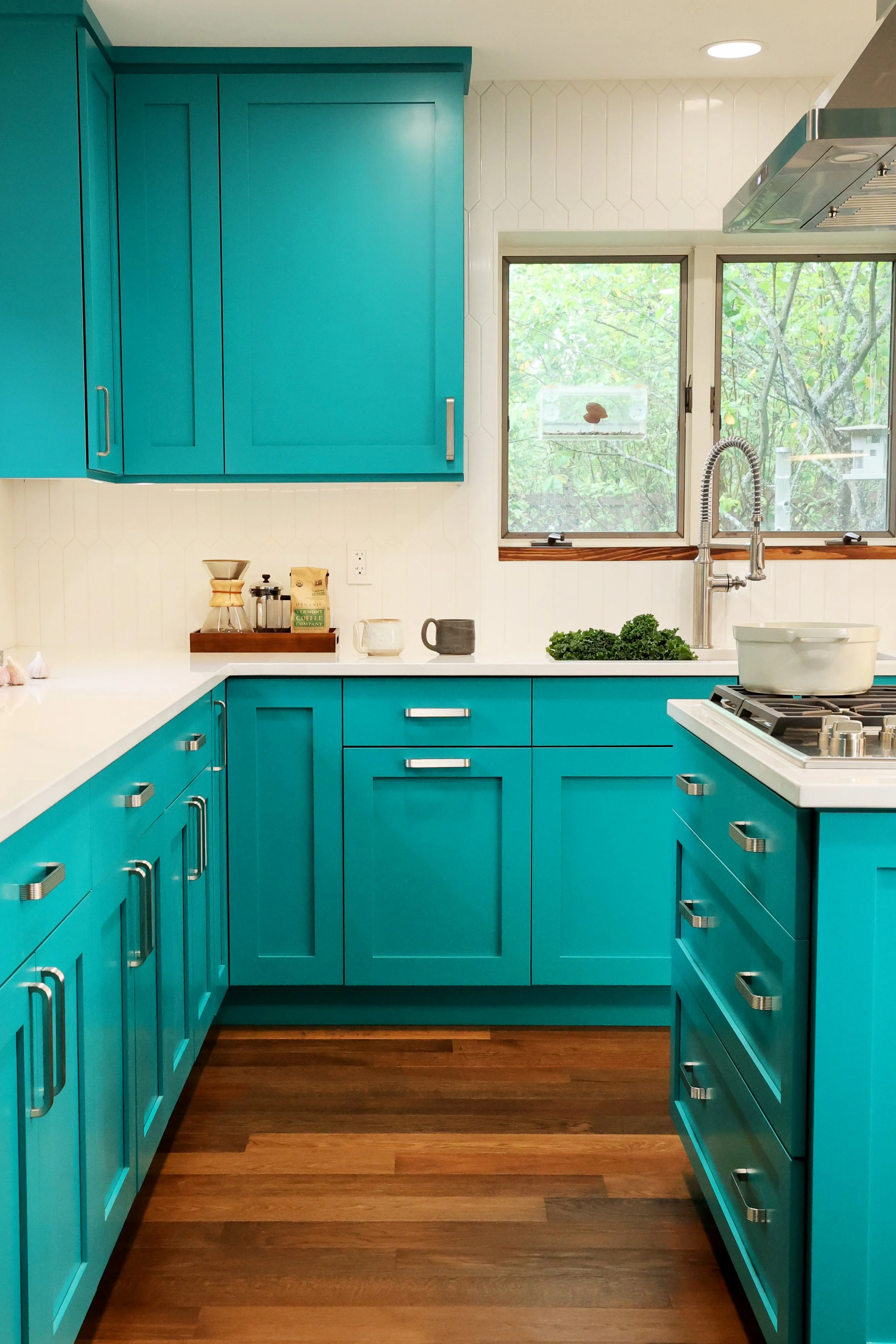
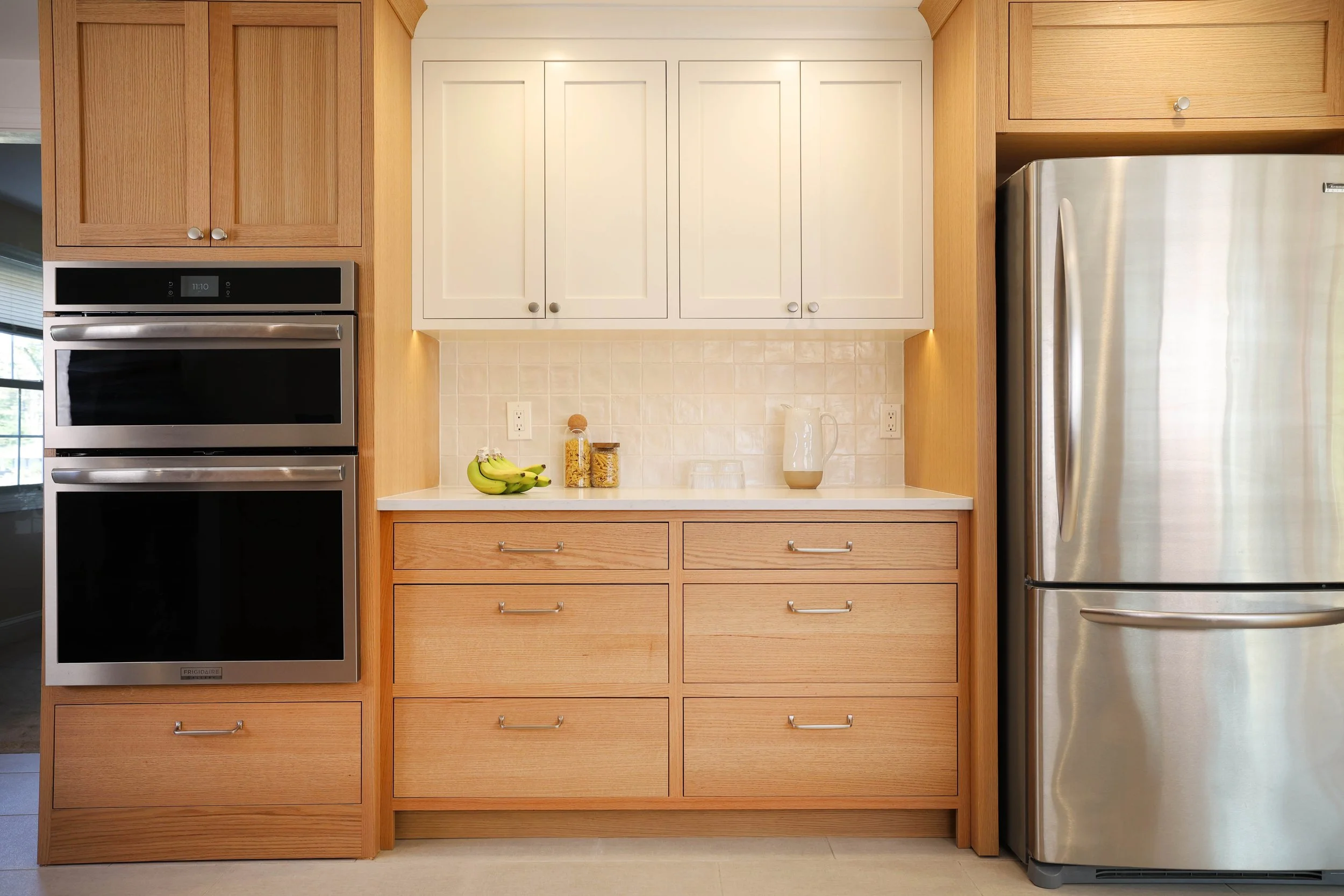
In this region, a full kitchen renovation — the kind where we’re actually improving the layout and not just replacing cabinet doors — typically lands somewhere between $100,000 and $175,000+.
Could you do something for less? Yes. If you’re keeping the layout exactly the same and simplifying selections.
But most women who reach out to me aren’t saying,
“Can we just refresh this a little?”
They’re saying,
“This kitchen doesn’t work.”
At that investment level, you’re usually looking at quality cabinetry (often starting around $30K and climbing depending on customization), stone countertops, a thoughtful appliance package (which adds up quickly), updated plumbing and electrical, lighting that’s actually planned instead of randomly placed, flooring, backsplash tile, trim, and a significant amount of skilled labor.
When you break that down by size, kitchens in this region often fall somewhere in the $350–$600 per square foot range, depending on layout changes and scope.
That sounds dramatic until you realize a kitchen isn’t just cabinets and counters. It’s a collection of systems layered together in one space — and they all have to work.
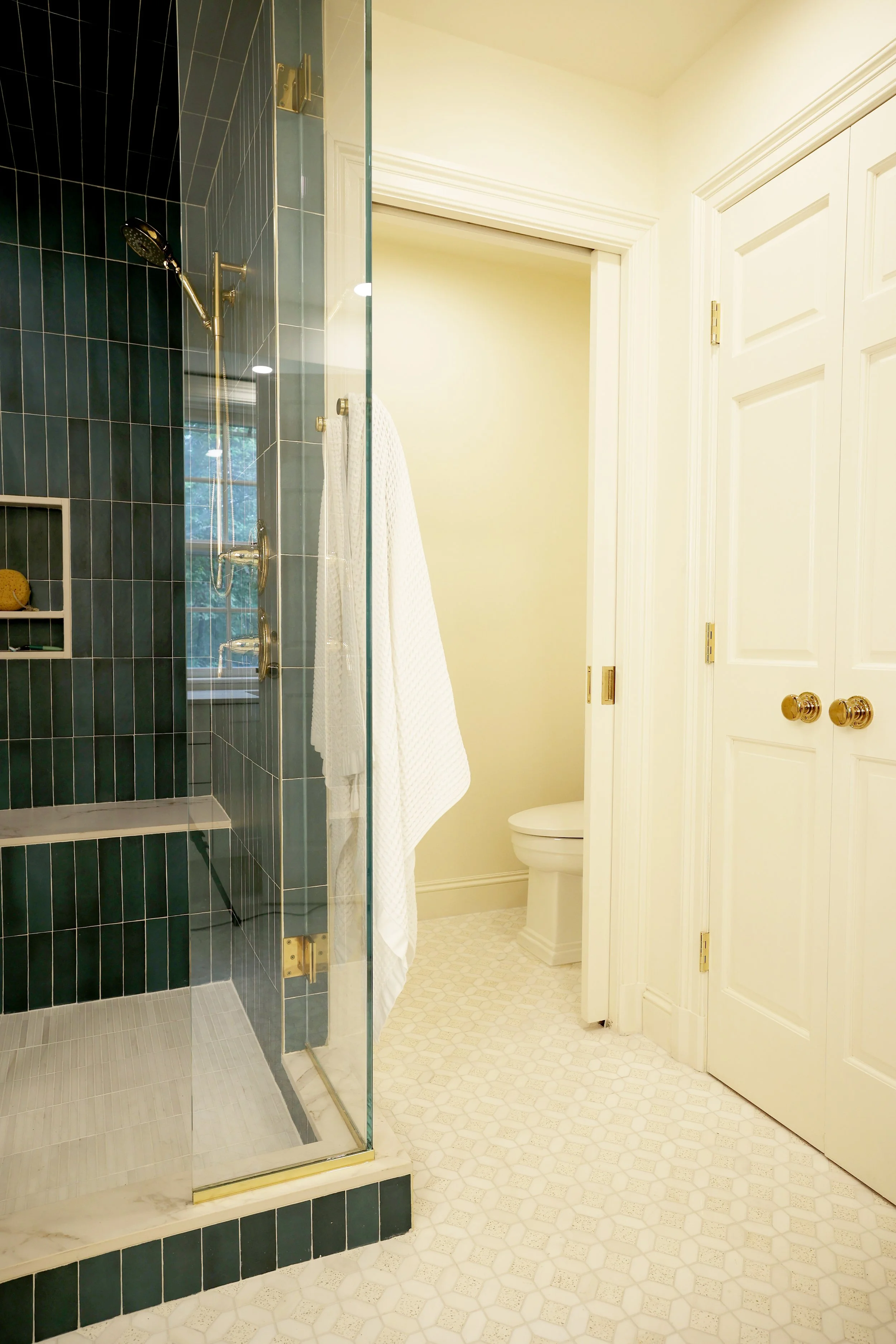
Bathrooms: Small, Expensive, and Worth Doing Right
Bathrooms are even more intense per square foot because everything is compressed into a smaller footprint.
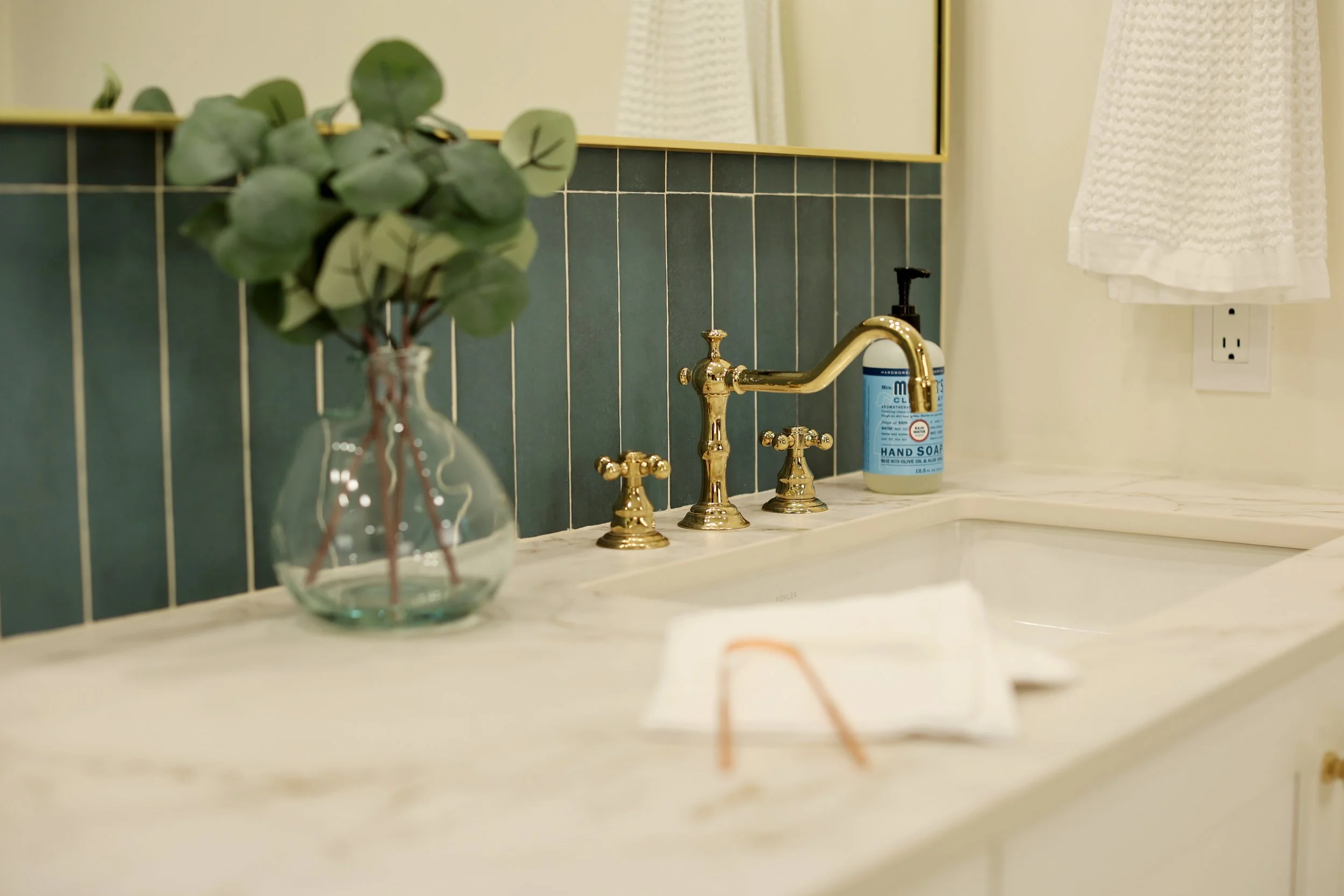
A secondary bathroom in NH or VT often starts around $40,000–$55,000, depending on finishes and whether plumbing locations stay put.
A primary bathroom — done thoughtfully, with real tile work, proper waterproofing, good lighting, custom or semi-custom cabinetry, glass, ventilation upgrades, and possibly layout adjustments — typically falls between $75,000 and $125,000+.
And that’s not some over-the-top spa situation.
That’s a well-built, properly executed renovation in an older New England home.
Tile is labor-heavy. Waterproofing has to be done correctly or you’ll regret it later. Moving a toilet isn’t just “slide it over a bit” — it affects venting and drainage. None of it is outrageous, but none of it is simple either.
Bathrooms are detailed and very unforgiving. Cutting corners in there almost always shows up later — and not in a good way.
The Part That Actually Drives the Cost: Layout
Here’s the part that most cost-per-square-foot conversations completely skip.
Are we keeping the layout… or are we fixing it?
If your kitchen feels chaotic, it’s usually not because the cabinets are ugly. It’s because the flow is off. The island blocks movement. The stove is shoved somewhere awkward. There’s nowhere to put groceries when you walk in. The lighting makes everything feel harsher than it needs to.
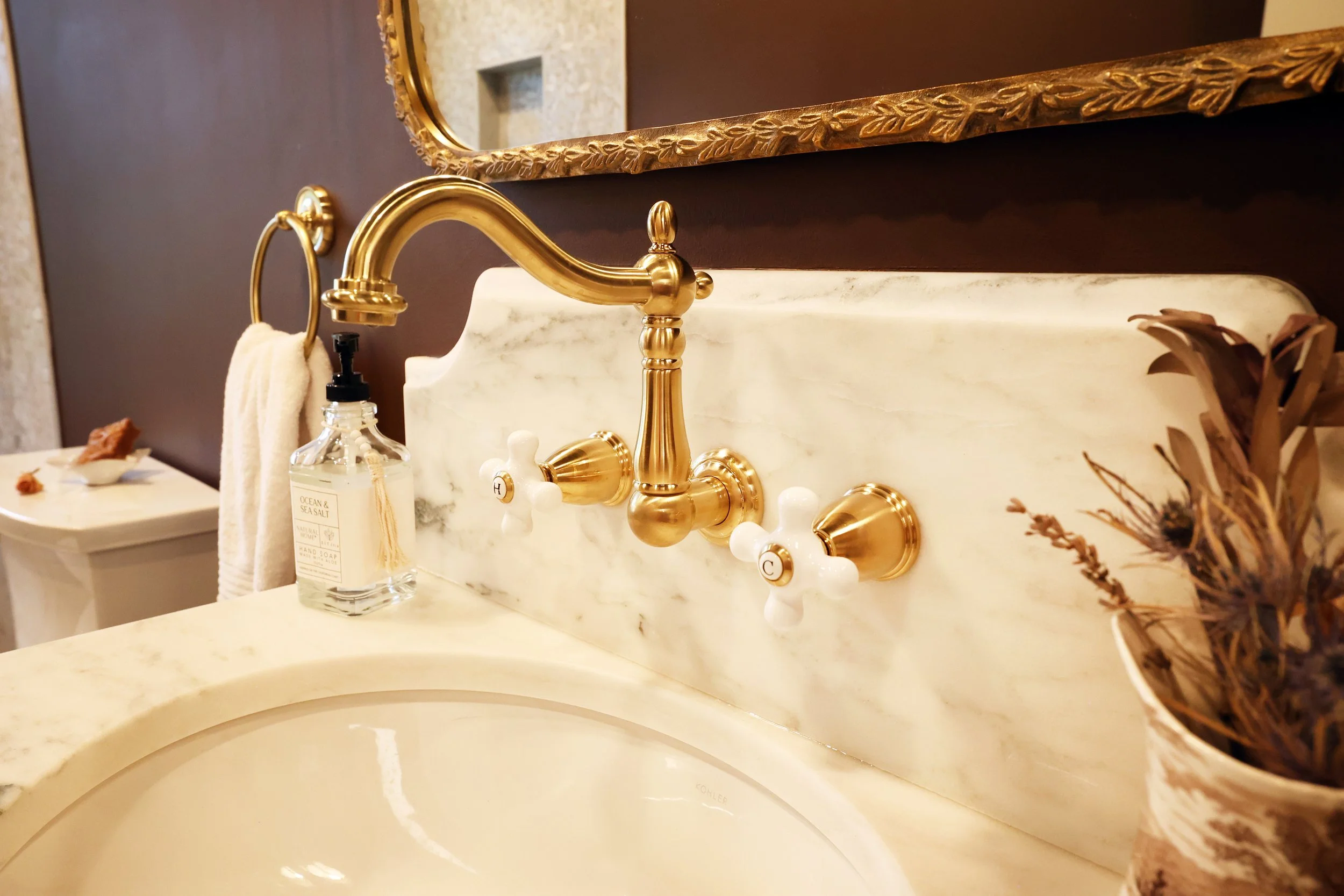
You can absolutely spend a lot of money keeping the same dysfunctional layout.
I see it all the time.
And then a few months later it’s,
“It’s nicer… but I still don’t love it.”
If the layout is wrong, no amount of beautiful finishes is going to make it feel right.
Yes, moving plumbing or removing a wall affects the budget. But sometimes that’s the entire point of renovating — to stop managing around a space that never made sense in the first place.
Why Renovation Costs More Per Square Foot Than Building New
This one comes up constantly.
“A new house costs $250 per square foot. Why is this bathroom more than that?”
Because new construction averages everything together — bedrooms, hallways, garages, basements. Those are relatively inexpensive spaces.
Renovations focus on the most complicated rooms in the house.
And remodeling means demolition, disposal, upgrading old systems to meet current code, and working around existing structural limitations. You’re not starting with a blank slate. You’re carefully undoing what’s there and rebuilding it correctly.
That takes more coordination. More care. More skilled labor.
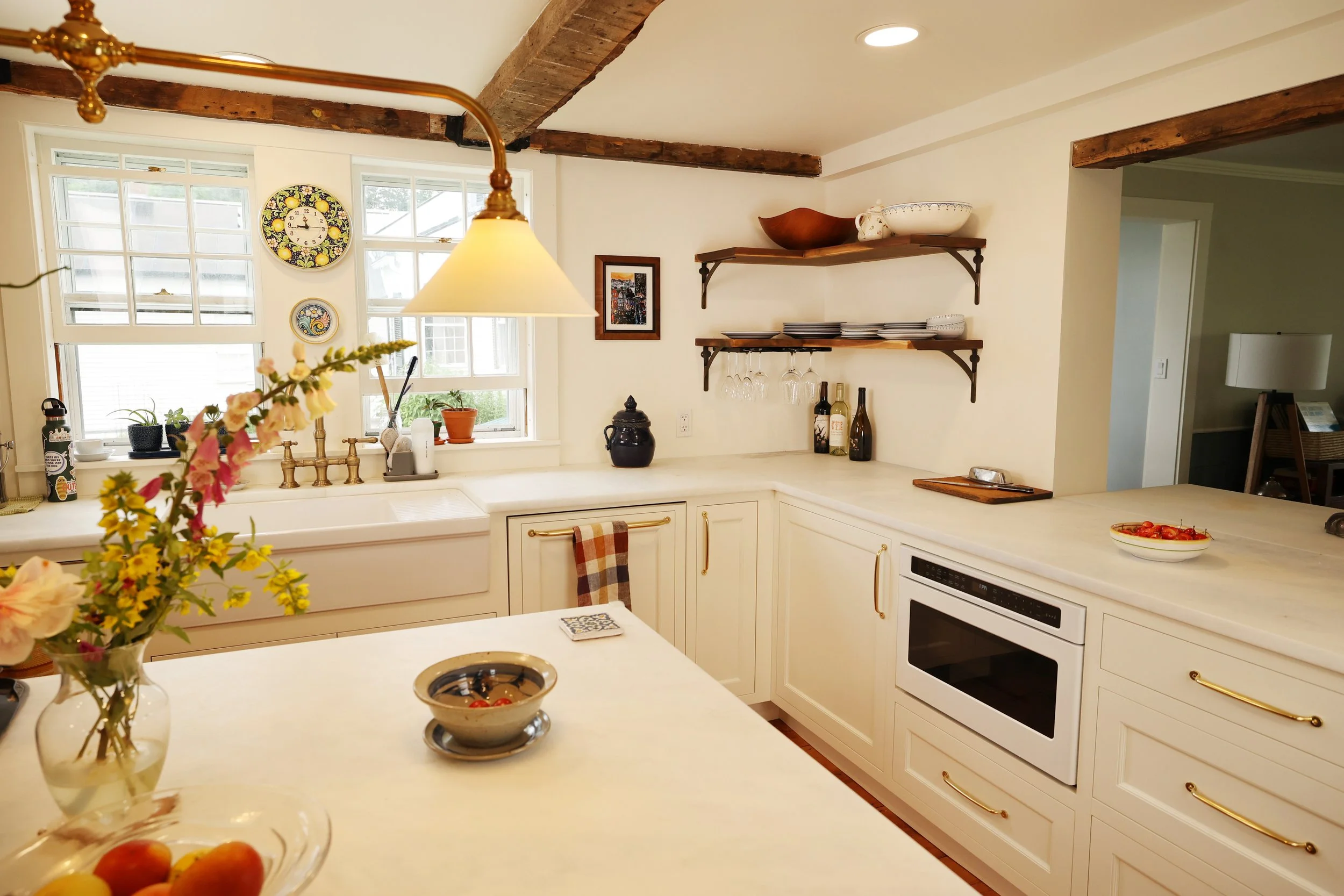
Financial ROI Is One Thing. Daily Life Is Another.
Yes, kitchens and bathrooms typically offer strong resale value in New England. They matter in appraisals. They matter to buyers.
But most of my clients aren’t renovating because they’re selling next year.
They’re renovating because every morning feels slightly annoying. Because the bathroom lighting makes them look exhausted. Because cooking feels cramped. Because nothing flows the way it should.
The return isn’t just financial.
It’s walking into your kitchen and not feeling irritated.
It’s a bathroom that works during the morning rush instead of slowing everyone down.
It’s lighting that doesn’t make dark February days feel even darker.
That kind of return is harder to quantify — but it’s very real.
So What Should You Focus On?
Cost per square foot is fine for a rough starting point.
But it won’t tell you whether your renovation is actually going to fix what’s not working.
The better question is:
Are we solving the right problem?
If your kitchen or bathroom feels inefficient, awkward, or just quietly frustrating — and you want to understand what it would actually take to fix it — that’s where thoughtful design makes all the difference.
If this feels like your home, reach out. Tell me what’s driving you crazy.
Most of the time, once we really look at the space, it becomes clear pretty quickly whether it’s a finish issue, a layout issue, or both. And that clarity alone changes how you think about the investment.
If you’re ready to stop guessing and actually understand what it would take to make your kitchen or bathroom work the way it should, the next step is simple.
Fill out the project inquiry form and tell me about your space. I review every submission personally and only take on projects where I know we can create real, meaningful change.
If it’s a fit, we’ll talk through what makes sense — clearly and honestly.
